safe & sustainable postpartum weight loss coaching
🧠 Postpartum Depression: Symptoms, Treatment, and How Long It Lasts
Learn about postpartum depression, its symptoms, causes, and treatments — plus expert tips for recovery and emotional wellness after childbirth.
11/6/20253 min read
🩺 What Is Postpartum Depression?
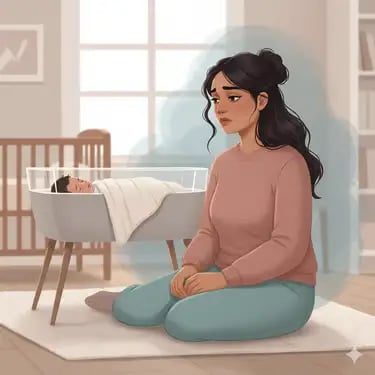
Postpartum depression (PPD) is a serious mood disorder that affects many mothers after childbirth. Unlike the short-term baby blues, postpartum depression can last much longer and significantly impact emotional well-being.
Mothers with PPD often feel sad, hopeless, or overwhelmed. These emotions can interfere with their ability to care for themselves or their baby. Understanding what postpartum depression is — and recognizing its early signs — is the first step toward recovery.
🕓 When Does Postpartum Depression Start?
Postpartum depression typically begins within the first few weeks after birth, but symptoms can appear anytime during the first year postpartum.
Many mothers report feeling fine immediately after delivery but begin to notice emotional changes around two to four weeks later. Hormonal shifts, sleep deprivation, and stress often contribute to this onset.
💬 Signs and Symptoms of Postpartum Depression
Recognizing the signs of postpartum depression early can help you or a loved one seek timely help.
Common postpartum depression symptoms include:
Persistent sadness or emptiness
Loss of interest in activities once enjoyed
Changes in sleep (insomnia or oversleeping)
Fatigue and low energy
Feeling disconnected from your baby
Irritability, anger, or anxiety
Difficulty concentrating or making decisions
Feelings of guilt or worthlessness
Thoughts of self-harm or harming the baby (seek help immediately)
⏳ How Long Does Postpartum Depression Last?
The duration of postpartum depression varies widely. Some mothers recover within a few weeks, while others may struggle for months or even a year.
Without treatment, symptoms can persist and worsen — but with professional help and support, full recovery is possible.
🧠 Postpartum Depression: Symptoms, Treatment, and How Long It Lasts
💊 Treatment Options for Postpartum Depression
Treatment for postpartum depression depends on its severity. Most women benefit from a combination of therapy, support, and sometimes medication.
Common Treatment Options:
Therapy (CBT or IPT): Talking therapies like Cognitive Behavioral Therapy help change negative thought patterns.
Medication: Antidepressants prescribed by a doctor can help regulate mood.
Support Networks: Joining postpartum support groups reduces isolation and helps share coping strategies.
Lifestyle Adjustments: Rest, balanced nutrition, and gentle physical activity aid recovery.
🧡 When to Seek Help
If your symptoms last longer than two weeks or interfere with your daily life, it’s time to seek professional help. Postpartum depression is not your fault — it’s a common, treatable condition.
Contact a mental health provider, local therapist, or call a postpartum helpline in your area. Reaching out early can speed up your recovery and protect your mental health.
🌿 Final Thoughts
Postpartum depression affects thousands of new mothers around the world. Recognizing the symptoms early and seeking treatment can make recovery faster and smoother.
Remember, you are not alone — with the right support, you can regain balance, confidence, and joy in motherhood
🛑 Crucial Medical Disclaimer
PLEASE READ: The content on this page is for informational and educational purposes only and is not intended as a substitute for professional medical advice, diagnosis, or treatment. Postpartum Depression (PPD) is a serious medical condition. If you are experiencing suicidal thoughts or thoughts of harming yourself or your baby, please call 988 (National Suicide & Crisis Lifeline) or your local emergency services immediately. Always seek the advice of a qualified healthcare provider or licensed mental health professional with any questions you may have regarding a medical condition or treatment.
FAQs
Q1: How common is postpartum depression?
A: About 1 in 7 mothers experience PPD, and an increasing number of fathers are also affected.
Q2: How long does postpartum depression last?
A: With treatment, PPD can improve within a few weeks to months, but untreated depression may last longer.
Q3: Can men experience postpartum depression?
A: Yes, postpartum depression in men is real and can manifest as irritability, anxiety, or withdrawal.
Q4: What is the ICD-10 code for postpartum depression?
A: It is F53.0, representing mental and behavioral disorders associated with the puerperium.
Q5: Are there safe medications for breastfeeding mothers?
A: Certain SSRIs are considered safe, but consultation with a doctor is essential.
Postpartum Depression in Men
Men can also experience postpartum depression, though symptoms may differ:
Fatigue or insomnia
Increased irritability
Withdrawal from family or social interactions
Anxiety and excessive worry
Feeling unprepared for fatherhood
Recognizing postpartum depression in men ensures early support and strengthens family well-being.